
Bright Yang - harmonyaccessory
Rhinestone Transfer - What & How ?
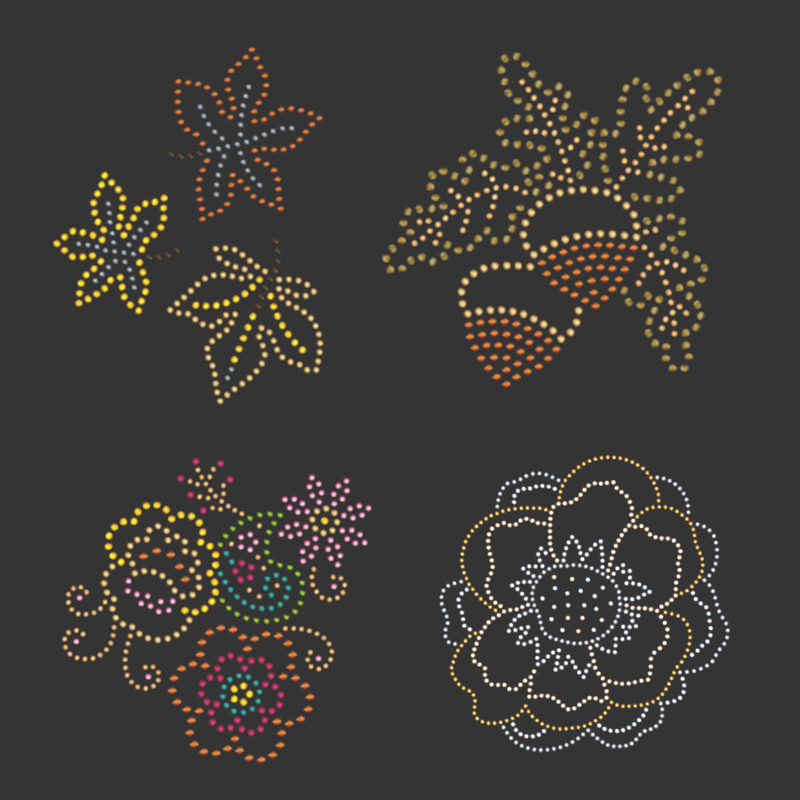
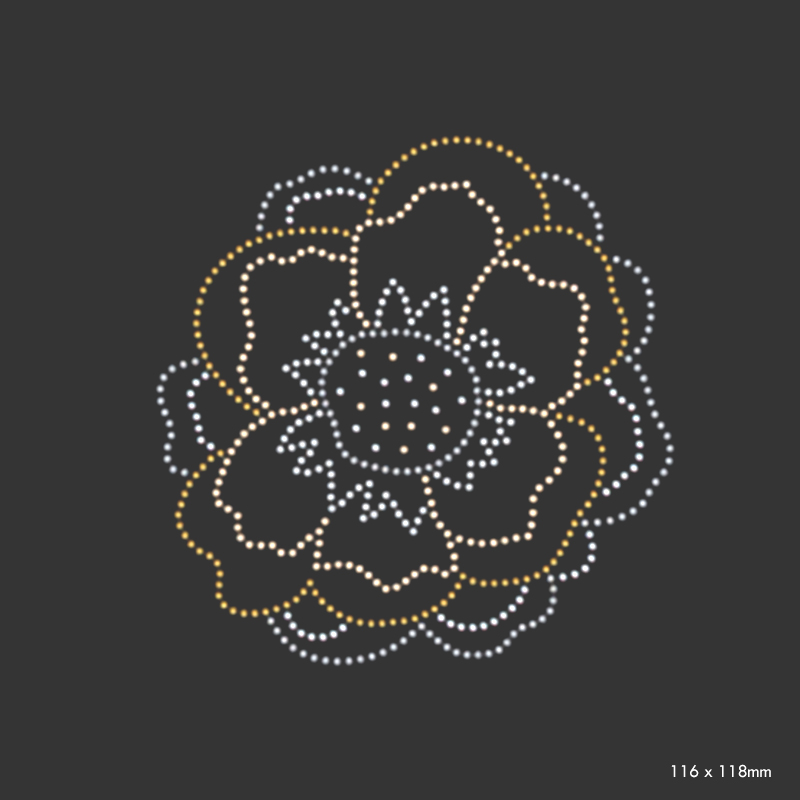
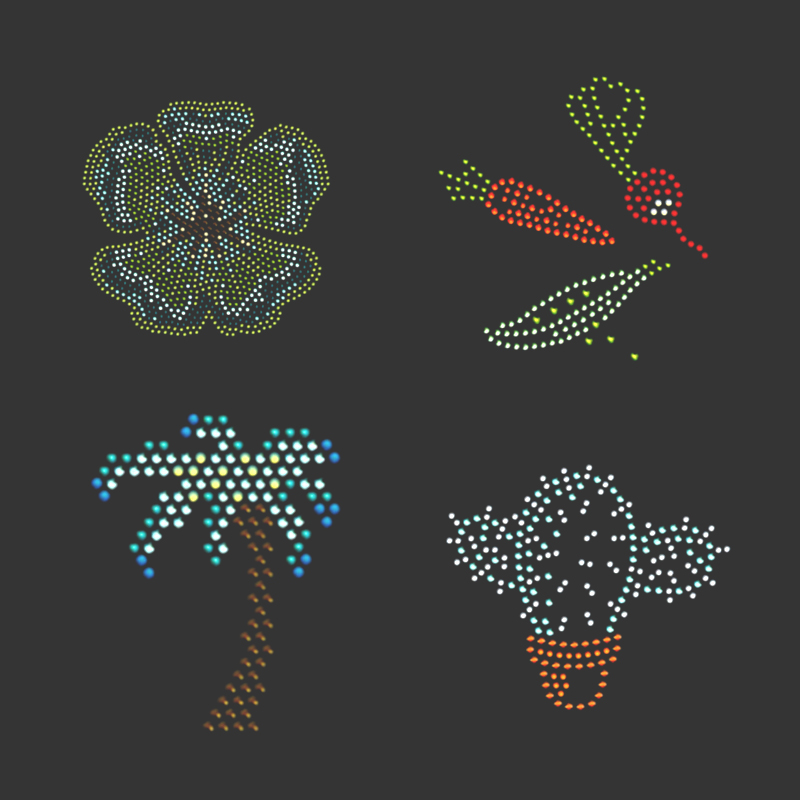
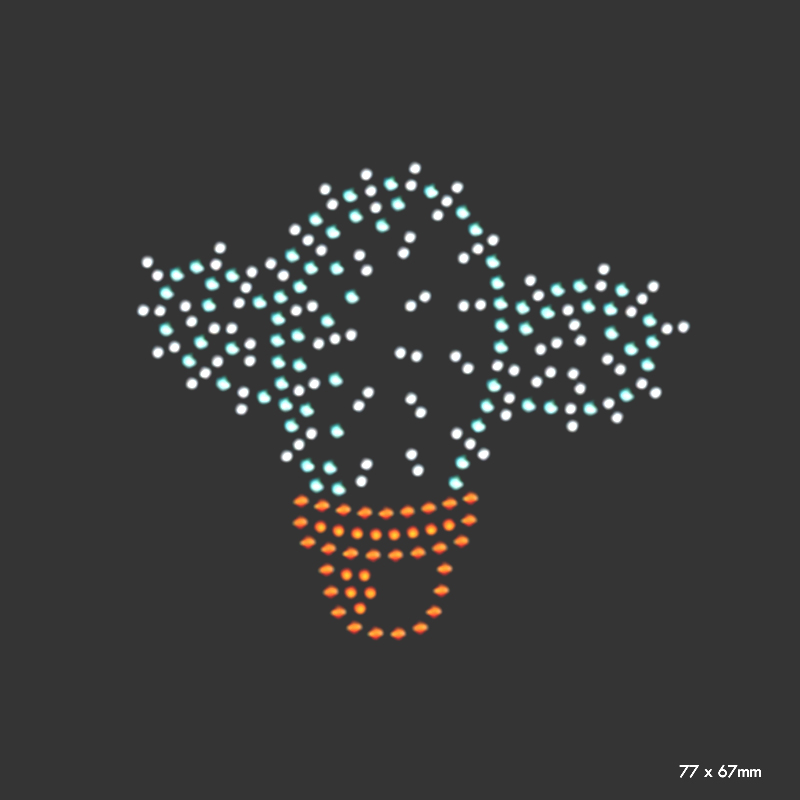
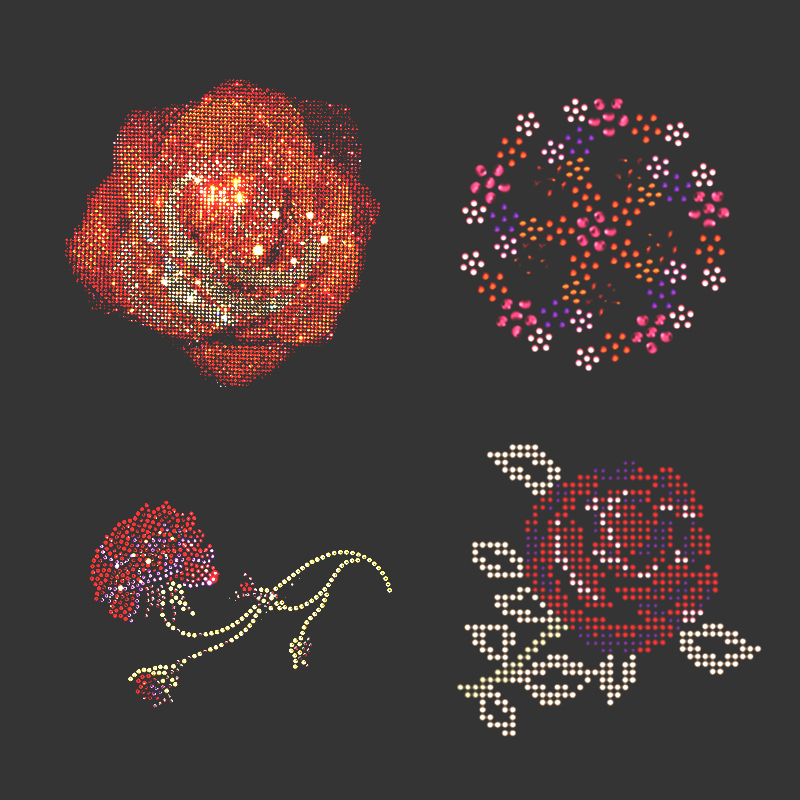
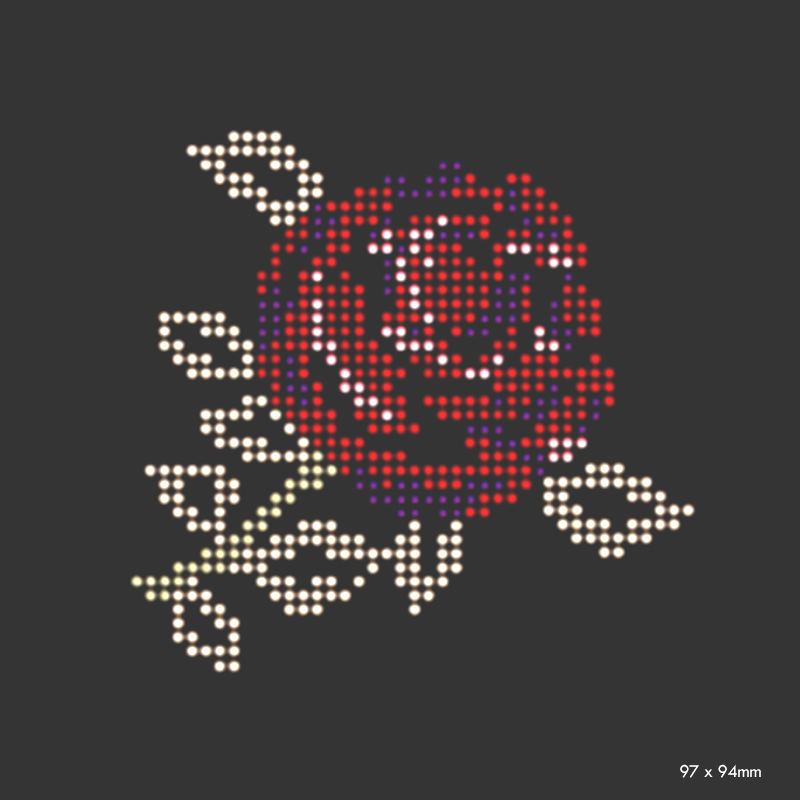
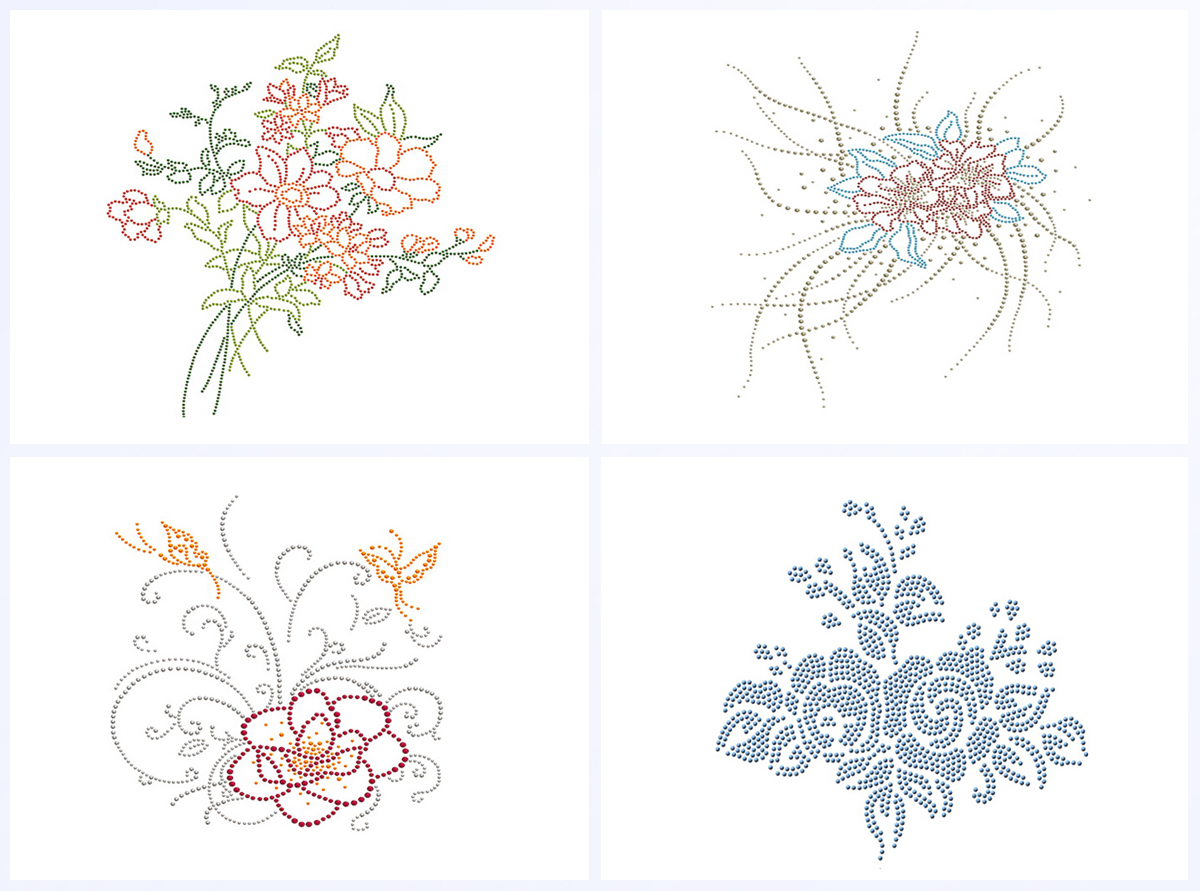
Rhinestone transfer is a pre-formed design patch created by precisely arranging loose hotfix rhinestones onto an adhesive carrier film. Custom hotfix rhinestone transfer sheets turn your creative ideas into sparkling, ready-to-use designs, meticulously arranged by professional factories.
Why Are Rhinestone Transfers So Efficient?
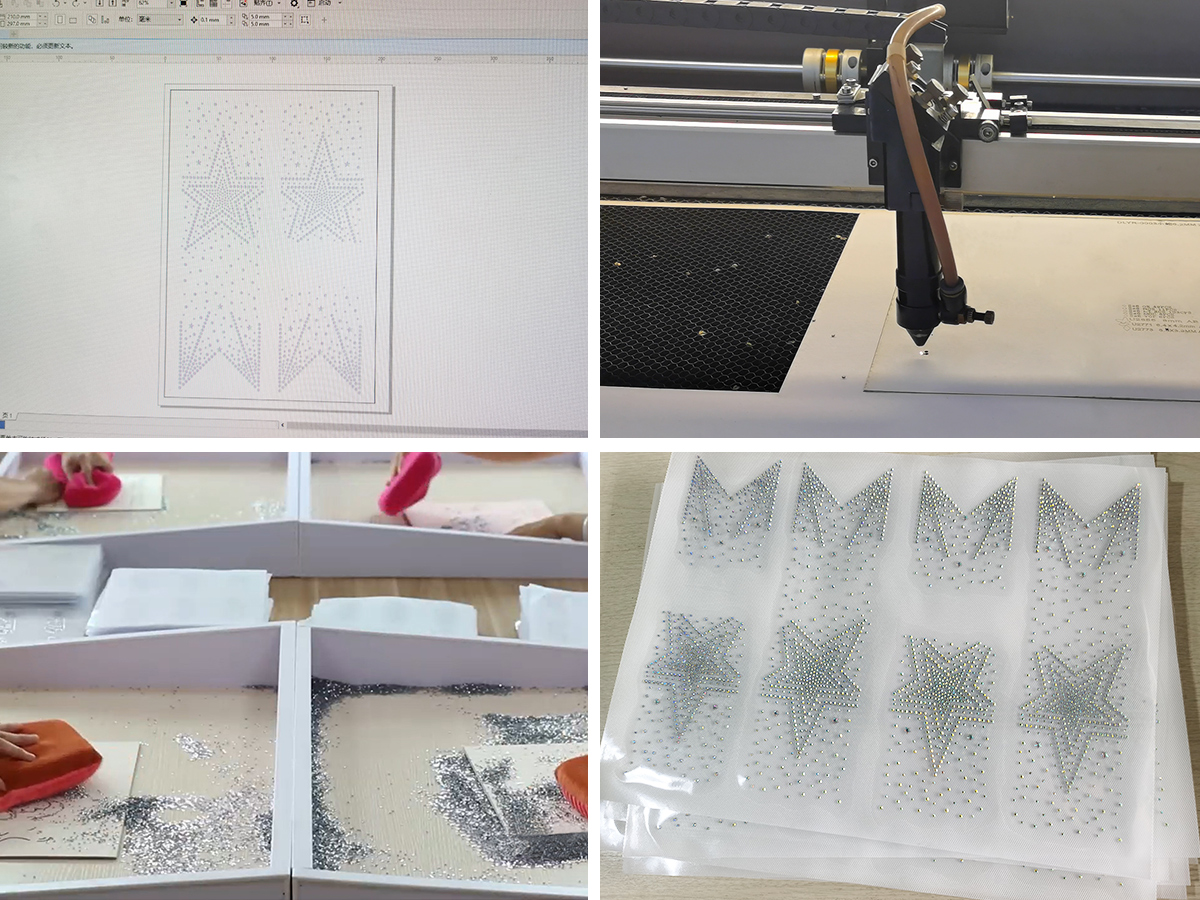
1. Precision & Efficiency — Flawless Reproduction Even for Mass Orders
Professional factories utilize automated equipment or skilled technicians to ensure the precise placement and secure adhesion of each rhinestone. Whether the order is large or small, you save time on manual application, dramatically increasing production efficiency.
2. Easy Application — Works with a Heat Press or a Household Iron
Without the need for complex tools, simply place the transfer design onto the garment, apply heat and pressure using a heat press or a household iron, and achieve professional-looking results in just minutes — fast, easy, and long-lasting.
The Key to Custom Rhinestone Transfer: Choose the Right Partner!
Prerequisite 1: Choose High-Quality Rhinestones
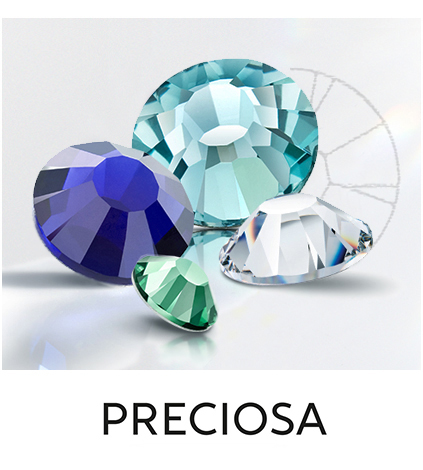
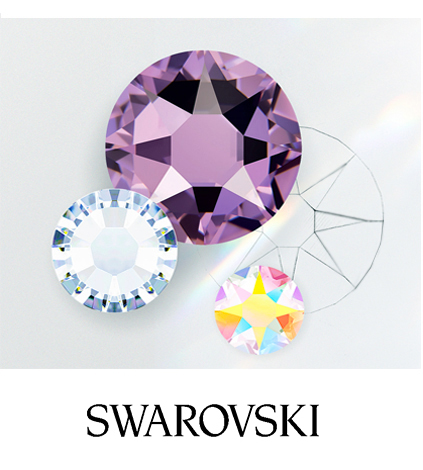
The texture and durability of the transfer effect depend first on the quality of the rhinestones. Internationally recognized high-end options include Swarovski or Preciosa crystals.
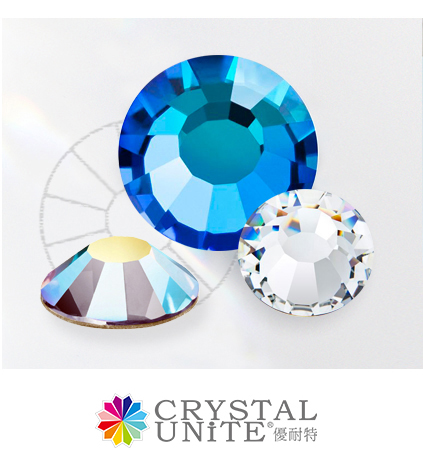
However, if you are looking for cost-effective, high-quality domestic rhinestones, brands such as Crystalunite® are also top contenders in the industry.
|
Senior Partner
|
Original Brand
|
Prerequisite 2: Choose a Professional Production Factory
An experienced manufacturing team can accurately replicate your original design, ensuring that rhinestones of various sizes achieve optimal adhesion on different types of fabric (such as cotton, polyester, denim, etc.), while remaining wash-resistant and durable.
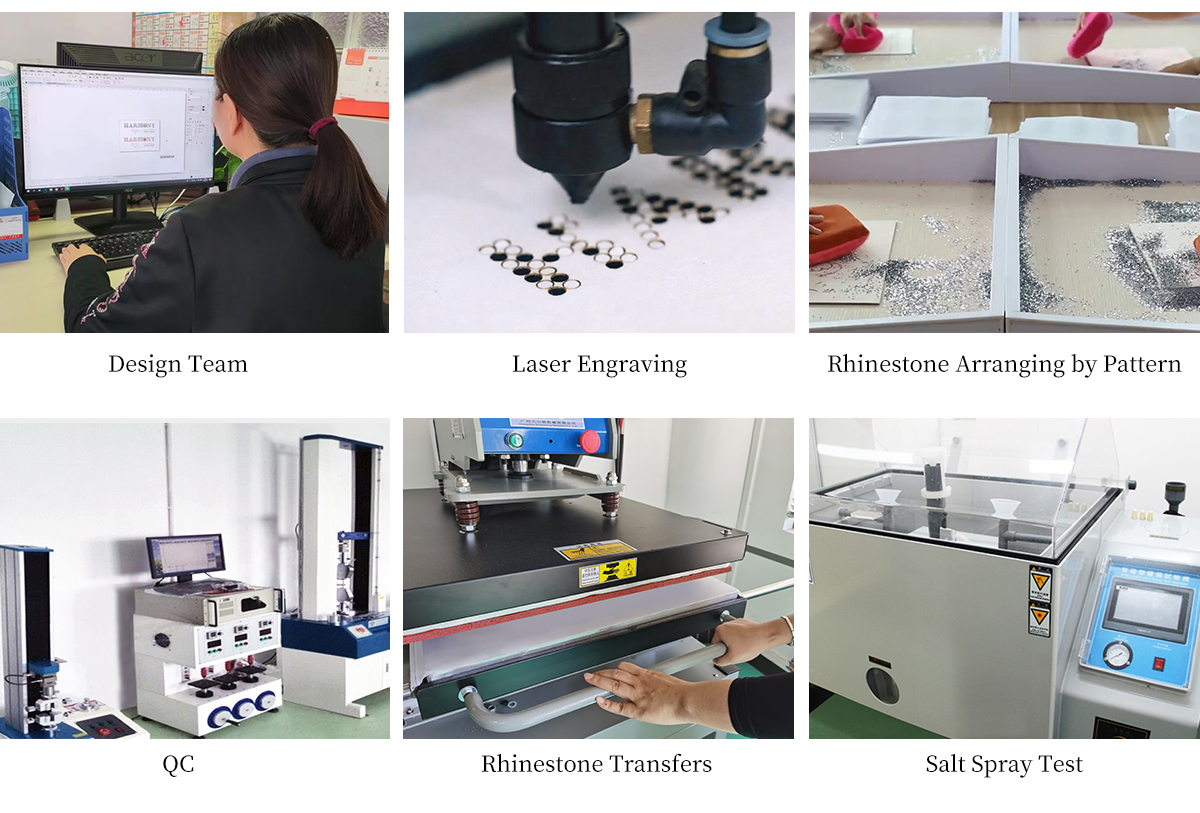
• Always request samples before bulk production. Test adhesion on your specific fabric and wash-test to confirm durability. A reliable partner will offer free samples and technical guidance.
• Don't focus only on price (You get what you pay for)
Reference: adhesion after transfer is rated with ASTM D3359; material safety follows OEKO-TEX STANDARD 100. Spec: MOQ 24 pcs per design · sampling 7 days from approved artwork · bulk 7–15 business days. Test report: SGS CANEC26000144403, dated 08 Jan 2026, issued for Crystalunite® U2028 / U2078 stones, crystal sheets and transfers.
Quick FAQ
What is a rhinestone transfer?
A rhinestone transfer is a pre-formed design patch created by precisely arranging loose hotfix rhinestones onto an adhesive carrier film, so the whole pattern can be applied to a garment in one operation. The arrangement is done by the factory, which is what makes the reproduction identical across a mass order.
Can any pattern be customised?
Yes. Provide vector graphics or a high-resolution image and the stones are arranged to that artwork. Precision reproduction is the reason transfers are used for logos and repeat collections rather than one-off pieces.
Do I need a heat press, or can I use a household iron?
Either works. Place the transfer on the garment, apply heat and pressure with a heat press or a household iron, and the design is fixed in minutes — no complex tooling required. A heat press gives more consistent temperature and pressure for volume work.
Which rhinestone brands can be used in a transfer?
Swarovski or Preciosa for the internationally recognised high-end tiers, or Crystalunite as the cost-effective domestic option. The brand choice sets both the visual grade and the material cost, so it is normally decided alongside the target retail price.
How can international clients work with you?
Two models: order finished transfers with global shipping and press them in your own facility, or use the in-China heat press service where we apply them to your garments. The second removes the need for in-house equipment.
Which fabrics do rhinestone transfers work on?
Cotton, polyester and denim are the common substrates, and adhesion is optimised per fabric type during production. Because bonding depends on the adhesive penetrating the fibres, coated or water-repellent fabrics should be sample-tested before a bulk order.
What is the minimum order quantity?
MOQ is 24 pieces per design, for both sampling and bulk orders, so you can run a small trial before committing to volume.
How long do sampling and production take?
Sampling takes 7 days from approved artwork; bulk production takes 7–15 business days depending on order volume.
Ready to make your designs shine?
Whether you need small batch samples or large-scale production, we provide tailored solutions.
Free Quote & SamplesWhatsApp: +86 18122314534 | Email: h619@harmony8.cn
WhatsApp: +86 18138732284 | Email: h617@harmony8.cn
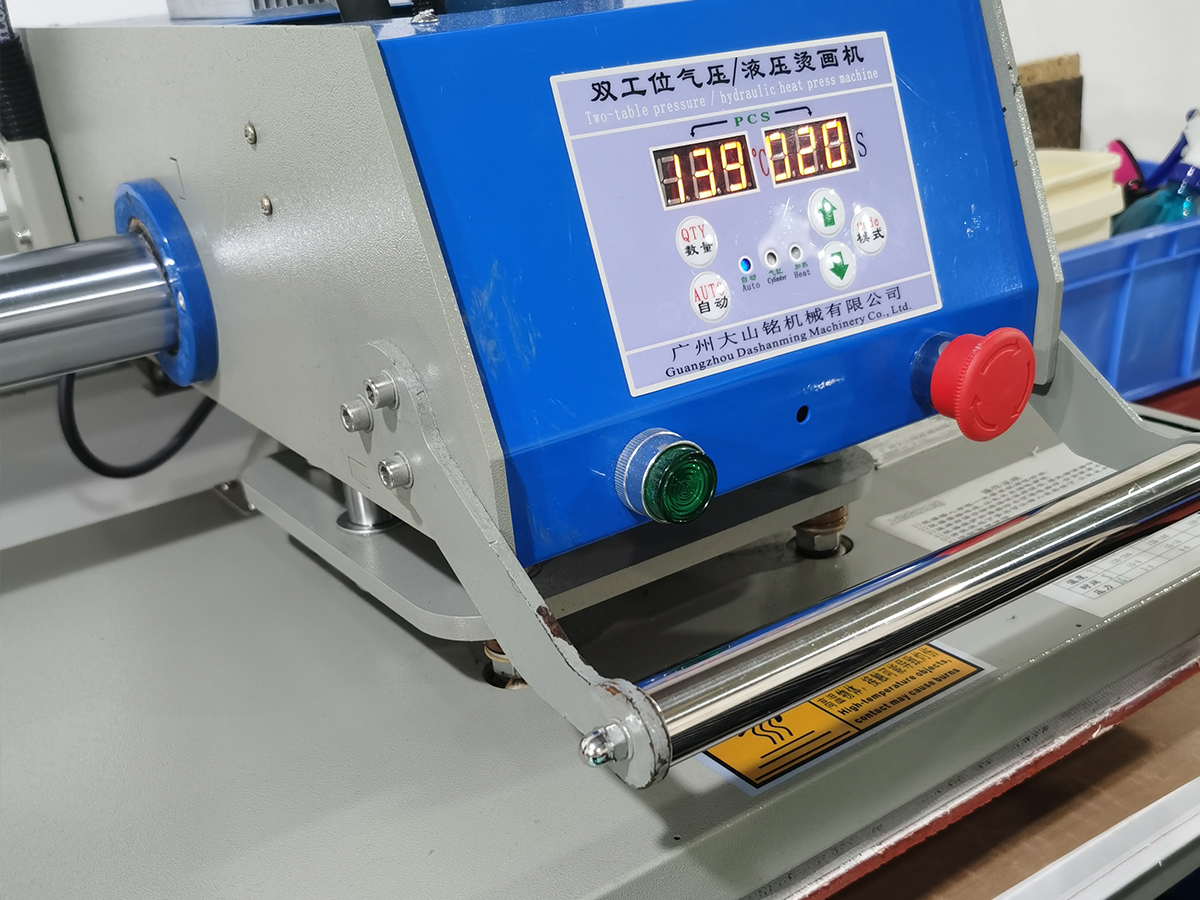
Ordering and verification: MOQ 24 pieces per design, sampling 7 working days, bulk production 7-15 working days; stock colours ship in 3 working days. Application parameters for transfer work — plate temperature, pressure and dwell — follow the crystal maker's published manual rather than a single universal setting. Source: Preciosa application manual.
Transfer Graphic vs Loose Stones vs Pre-set Piece
Labour is the variable that decides the format, not the stone. Times below are per 100 pieces at our line rate.
| Parameter | Hotfix transfer graphic | Loose stones (flat back) | Sew-on / hand-set piece |
|---|---|---|---|
| Labour per 100 pieces | 15–35 s | 400–600 s | 1,000–2,000 s |
| Who applies it | Your press operator, one pass | Your line, stone by stone | Skilled hand or sewing line |
| Equipment | Heat press | Dispensing or glue station | Sewing machine or needle |
| Minimum order | 24 pieces per design | 1 pack stock / 24 pcs custom | 24 pieces per design |
| Sampling / bulk | 7 working days / 7–15 working days | 7 working days / 7–15 working days | 7 working days / 7–15 working days |
| Stock availability | No stock — made to artwork | Stock colours ship in 3 working days | Made to order |
| Compliance documents | OEKO-TEX, REACH, ISO 9001 | REACH report per stone batch | REACH report per stone batch |
| Repair | Re-press the patch | Re-glue the single stone | Unpick and re-sew |
| Best fit | Repeat artwork, high volume, low labour | Mixed placements, small runs | Couture, drape-sensitive fabric |
Cost Logic: When the Format Changes
| Order profile | Format | Why |
|---|---|---|
| 500+ pieces, same artwork | Transfer | 15–35 s per 100 replaces 400–2,000 s of hand work |
| Under 100 pieces, varied placement | Loose stones | No artwork or tooling step to amortise |
| Fabric cannot take 135°C | Sew-on or glue | No heat cycle at all |
| Sample development for a buyer | Transfer sample first | One press validates layout before any hand work |
Labour figures are line rates per 100 pieces for the same stone count and pattern density; they exclude fabric handling and packing.
Personalized vs Regular Iron-On Transfers
Buyers often compare a personalized transfer with a regular, ready-made one. The difference is not only the artwork — it also changes setup, minimums and how the order is produced.
| Item | Personalized transfer | Regular (stock) transfer |
|---|---|---|
| Design | Your artwork, any size or layout | Fixed motifs from a catalogue |
| Setup | File check plus film setup per design | None, ships from stock |
| Minimum | Set per design, sample first then bulk | Sold by pack, mixed designs allowed |
| Lead time | Sampling, then production — plan for both stages | Immediate for in-stock items |
| Stone choice | Swarovski, Preciosa or Crystalunite, mixable in one design | Usually one brand and one colour range |
| Best for | Brand collections, uniforms, retail drops | Tests, repairs, small one-off jobs |
If a design repeats across sizes and colours, a personalized transfer usually wins on consistency. If you only need a few pieces to test a market, a regular transfer gets you there without setup. Exact MOQ and lead times are listed in the FAQ above.
Carrier Film Decides Whether the Transfer Releases Cleanly
Two transfers can carry identical stones and behave completely differently under the press, because the carrier film controls release. Film that is too thick holds the stones past the point where the adhesive has bonded, and lifts them back off the fabric.
Film that is too thin tears before transfer is complete. The correct film is chosen against your press temperature and fabric weight, not against the artwork.
That is why the first sheet is pressed on your own fabric at your own setting before bulk: the film is the variable that a spec sheet cannot show.